
Chicago Brownstones For Sale 2026: Historic Brownstone Homes & Condos
Browse Chicago brownstone homes and condos for sale below, with listings updated in real time from the MLS. Chicago's brownstone market spans individual condo units in converted buildings from $300,000 in Bucktown to intact single-family brownstones on Lincoln Park's premium streets exceeding $2M. Use the price filters below to narrow your search, or browse all active listings and click "Request Info" for disclosures, past sales history, and comparable sales data.
Register for a free account to receive instant alerts when new Chicago brownstones hit the market. Questions about a specific property or neighborhood? Contact us directly and we'll help.
- All Listings
- $200,000 - $300,000
- $300,000 - $400,000
- $400,000 - $500,000
- $600,000 - $700,000
- $700,000 - $800,000
- $900,000 - $1,000,000
- Over $1,000,000
Search Chicago Brownstones For Sale
- All Listings
- $200,000 - $300,000
- $300,000 - $400,000
- $400,000 - $500,000
- $500,000 - $600,000
- $600,000 - $700,000
- $700,000 - $800,000
- $800,000 - $900,000
- Over $1,000,000
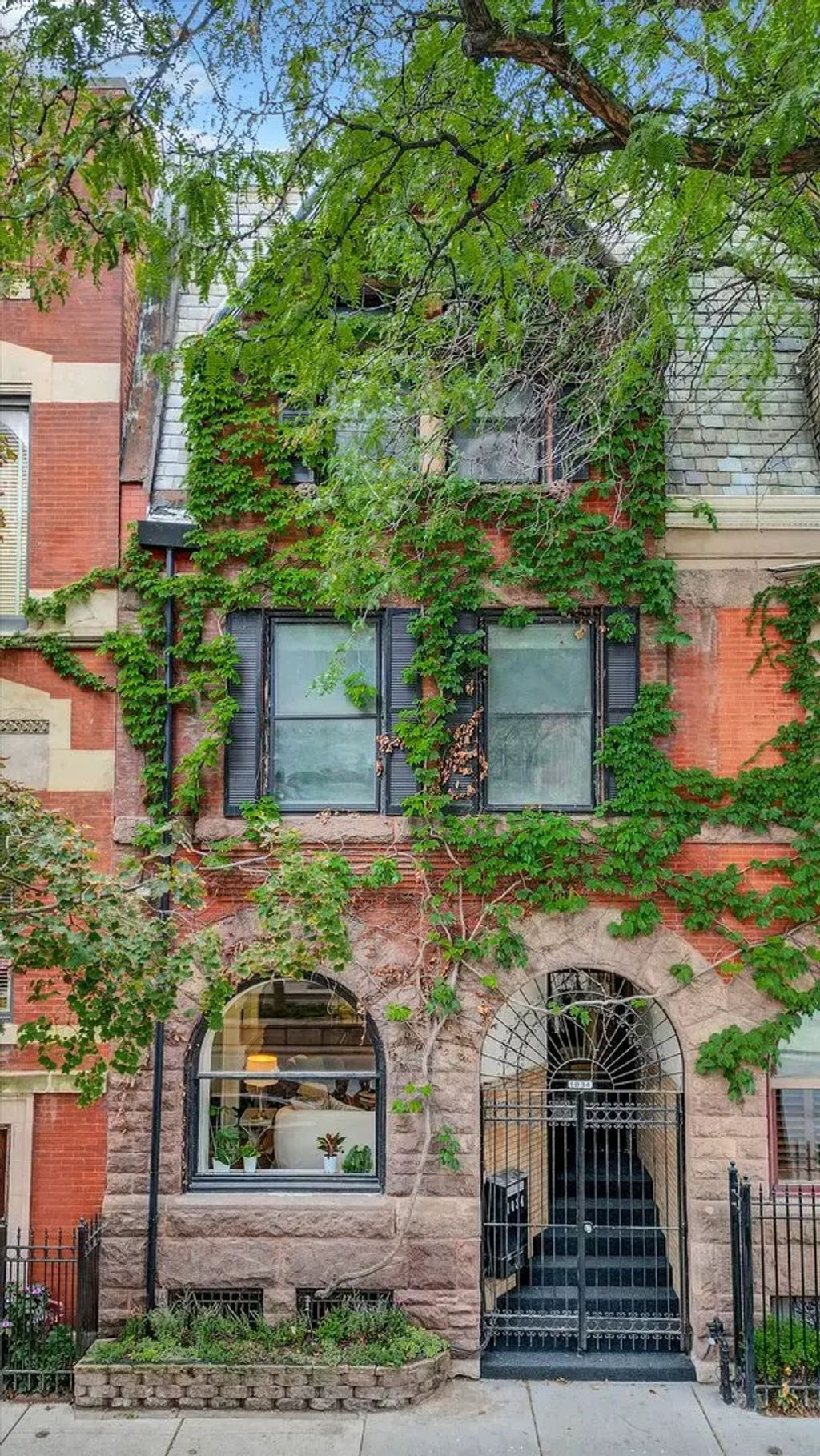


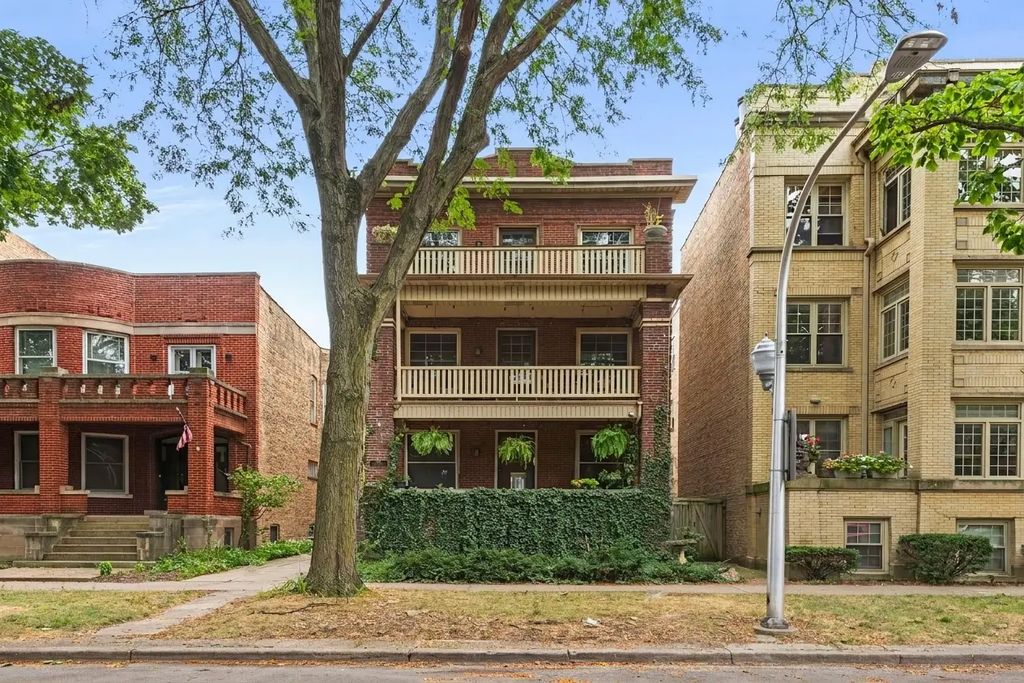

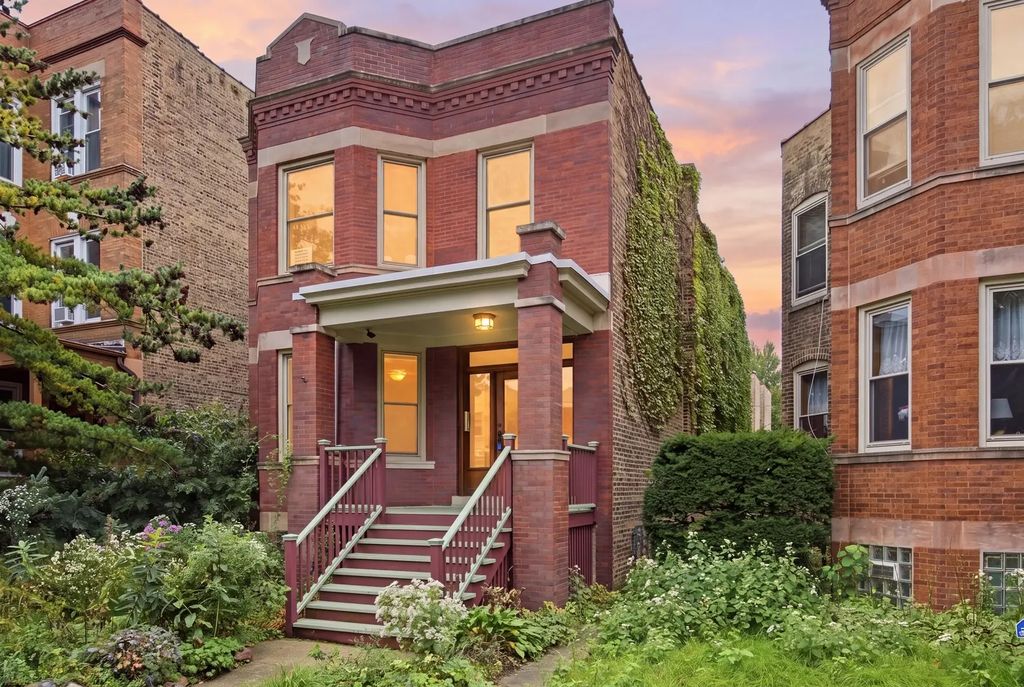


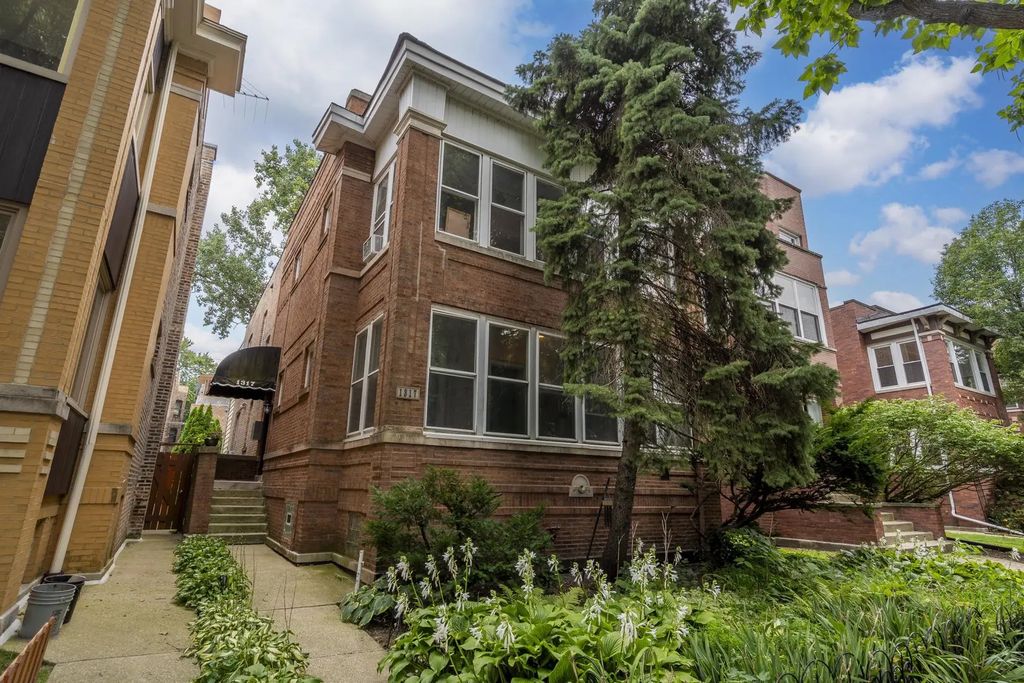

Are you planning to buy or sell a home or condo in Chicago? Contact the Chicago Condo Finder Team, Chicago's local condo experts, for help navigating the current market conditions. Call or text (312) 953-0961 now to schedule a showing for a unit you'd like to preview!
Chicago Brownstones: Neighborhoods and What to Expect
Chicago brownstones are concentrated in the city's established Near North and Near Northwest Side neighborhoods, where late 19th and early 20th century residential development produced the row house streets that define these communities today.
Lincoln Park has Chicago's most prestigious brownstone addresses. Dearborn Parkway, Burling, Howe, and adjacent residential streets are lined with brownstones and greystones that represent some of the city's finest historic residential architecture. Single-family brownstones on Lincoln Park's premium streets command $1.5M-$5M+. Converted condo units typically range from $400,000-$900,000 depending on floor, size, and condition.
Old Town has significant brownstone stock along its Victorian-era residential streets, with Dearborn Parkway running directly through both Lincoln Park and Old Town as one of the city's great historic residential corridors. Brownstones here are slightly more accessible than Lincoln Park's peak pricing, with single-family homes running $800,000-$2.5M and condo units from $350,000-$750,000.
Gold Coast brownstones on Astor Street and adjacent blocks sit among the city's most historically significant residential properties. These buildings often retain original architectural details of exceptional quality and command premium pricing reflecting both location and rarity. Expect $1M-$5M+ for single-family properties; condo conversions from $500,000-$1.5M+.
Bucktown and Wicker Park have brownstone and greystone buildings throughout, many converted to 2-4 unit condos or maintained as income properties. The property type overlaps here with vintage multi-family buildings. Pricing runs $400,000-$1.2M for multi-unit buildings and $350,000-$700,000 for individual condo units. The 606 Trail corridor has driven above-average appreciation for brownstone properties in proximity to the greenway.
What to Know Before Buying a Chicago Brownstone
Stone facade maintenance is a recurring cost. Brownstone and limestone facades require periodic tuckpointing, the repointing of mortar joints, to prevent water infiltration. A well-maintained facade has been repointed within the last 10-15 years; a neglected one can face significant deterioration and repair costs. Always ask for tuckpointing history and have a mason evaluate facade condition as part of your inspection process.
Below-grade units carry moisture risk. Garden and lower-level units in converted brownstones are susceptible to moisture issues from the building's age and basement construction. Look for signs of past water intrusion, verify sump pump operation, and review any history of flooding. A specialized inspector familiar with historic Chicago buildings provides better value than a general home inspector for this property type.
Parking is limited on brownstone streets. Most brownstone neighborhoods have permit-only street parking with high competition. Very few converted brownstone buildings include garage parking. If you own a car, verify parking options specifically before committing to a building. Buildings with garage parking command a meaningful premium in these neighborhoods for exactly this reason.
HOA health matters in small buildings. Many converted brownstones are 2-4 unit associations with informal or minimal financial oversight. Small associations can have underfunded reserves, deferred maintenance, and interpersonal conflicts that affect daily life. Request financial statements and reserve documentation just as you would for a large high-rise. For help evaluating building financials, our first-time buyer guide covers what to look for.
Historic district designations in some Gold Coast, Old Town, and Lincoln Park blocks restrict exterior modifications. If you're planning renovations that affect the facade, windows, or visible exterior elements, verify whether the property falls under any landmark or historic district requirements before making offers.
Brownstones vs. Greystones: What's the Difference?
The terms are often used interchangeably in Chicago, but they refer to different building materials. Brownstones are constructed from brown sandstone, a material associated with New York and Boston row house traditions that also appeared in Chicago's late 19th century development. Greystones are built from Bedford limestone or similar light-grey Indiana limestone, which was more abundant and economical in the Midwest. Greystones are far more common in Chicago and distributed across more neighborhoods. Both share similar architectural characteristics: row house format, raised stoops, ornate facades, and historic interior details. If you're open to either property type, searching both pages expands your inventory significantly.
Frequently Asked Questions: Chicago Brownstones
What is a brownstone in Chicago?
A Chicago brownstone is a row house or attached residential building constructed from brown sandstone, typically featuring 2-4 stories, a raised front stoop, ornate stone facade, and interior details including decorative fireplaces, bay windows, and original woodwork. Most are concentrated in Lincoln Park, Old Town, Gold Coast, Bucktown, and Wicker Park. Many have been converted into individual condo units; others remain intact single-family homes.
What is the difference between a brownstone and a greystone?
Brownstones use brown sandstone; greystones use light-grey Indiana limestone, which was more common and affordable in the Midwest. Greystones are far more plentiful in Chicago and appear across a wider range of neighborhoods including Logan Square, Ukrainian Village, and Pilsen. Both share similar architectural forms, including row house format, raised stoops, and ornate facades, and the terms are often used interchangeably, though they are technically distinct building traditions.
How much do Chicago brownstones cost?
Brownstone condos in Lincoln Park, Old Town, and Bucktown typically run $300,000-$800,000 depending on size, floor, and condition. Intact single-family brownstones on premium Lincoln Park and Gold Coast streets range from $1.5M to $5M+. Use the price filters above to search within your budget, or contact us for guidance on specific neighborhoods and buildings.
Which neighborhoods have the most brownstones?
Lincoln Park and Old Town have the highest concentration, particularly along Dearborn Parkway and the neighborhoods' premier residential streets. Gold Coast has significant stock on Astor Street and adjacent blocks. Bucktown and Wicker Park have brownstone and greystone buildings throughout, many converted to condos or maintained as multi-family properties.
Are Chicago brownstones good investments?
Brownstones in established neighborhoods have demonstrated strong long-term appreciation driven by scarcity and sustained buyer demand for historic character. Multi-unit brownstones offer rental income potential alongside owner occupancy. Primary risks are facade maintenance costs, potential for significant interior renovation needs in older buildings, and the limited buyer pool for very high-priced single-family properties. Well-maintained brownstones in strong neighborhoods consistently hold value. For investment-specific guidance, see our investor-friendly properties guide.
What should I know before buying a Chicago brownstone?
Key issues: stone facade condition and tuckpointing history, basement moisture risk in below-grade units, limited parking in brownstone neighborhoods, HOA financial health in small converted buildings, and any historic district restrictions on exterior modifications. Use a specialized inspector familiar with historic Chicago buildings. Our first-time buyer guide covers the full due diligence process for condo and historic property purchases.
Can Chicago brownstones be converted to condos?
Yes, and many already have been. Unconverted multi-unit brownstones can be eligible for condo conversion through proper legal documentation, requiring a real estate attorney experienced in Illinois condo law. Converted brownstone condos often command premiums over standard condos because buyers value the historic architecture, larger unit sizes, and outdoor space these buildings frequently include.