Chicago Condos With An Indoor Pool
Interested condos for sale in Chicago IL with an indoor pool? If you're looking for the perfect condo residence in Chicago homes with an indoor pool, you'll find all active and pending listings with an indoor pool displayed below. To learn more about an available condo with an indoor pool, click on a listing you like to view additional details. Our experienced Chicago real estate professionals can also provide prospective condo buyers with disclosures, dates and prices of recently sold condos with an indoor pool in Chicago, and more.
We also invite all Chicago condo buyers currently in the market for a new place to call home to register for a free account. Registered users will be able to take advantage of all our advanced search an indoor pools, easily share condo listings with an indoor pool you like with friends and family, and also have e-mail alerts sent directly to your inbox as soon as new Chicago condos with an indoor pool become available on the active market, allowing you to stay one-step ahead of other local home buyers searching the Chicago real estate market. Continue searching condos with an indoor pool by neighborhood.
Search Chicago Condos With an Indoor Pool
Are you planning to buy or sell a home or condo in Chicago? Contact the Chicago Condo Finder Team, Chicago's local condo experts, for help navigating the current market conditions. Call or text (312) 953-0961 now to schedule a showing for a unit you'd like to preview!
Continue Searching Chicago Condos With An Indoor Pool
Not seeing Chicago condo listings with an indoor pool that match your search criteria? Continue searching Chicago condos with an indoor pool in other neighborhoods using our Chicago condos with an indoor pool directory below.
Search Chicago Condos With An Indoor Pool By Neighborhood
- Chicago Indoor Pool Condos (ALL)
- River North Indoor Pool Condos
- Gold Coast Indoor Pool Condos
- Lincoln Park Indoor Pool Condos
- Streeterville Indoor Pool Condos
- New Eastside Indoor Pool Condos
- South Loop Indoor Pool Condos
- Lakeview Indoor Pool Condos
- West Loop Indoor Pool Condos
- Old Town Indoor Pool Condos
- The Loop Indoor Pool Condos
- Bucktown Indoor Pool Condos
- Wicker Park Indoor Pool Condos
- Uptown Indoor Pool Condos
Frequently Asked Questions About Chicago Condos with Indoor Pools
Which Chicago condo buildings have indoor pools?
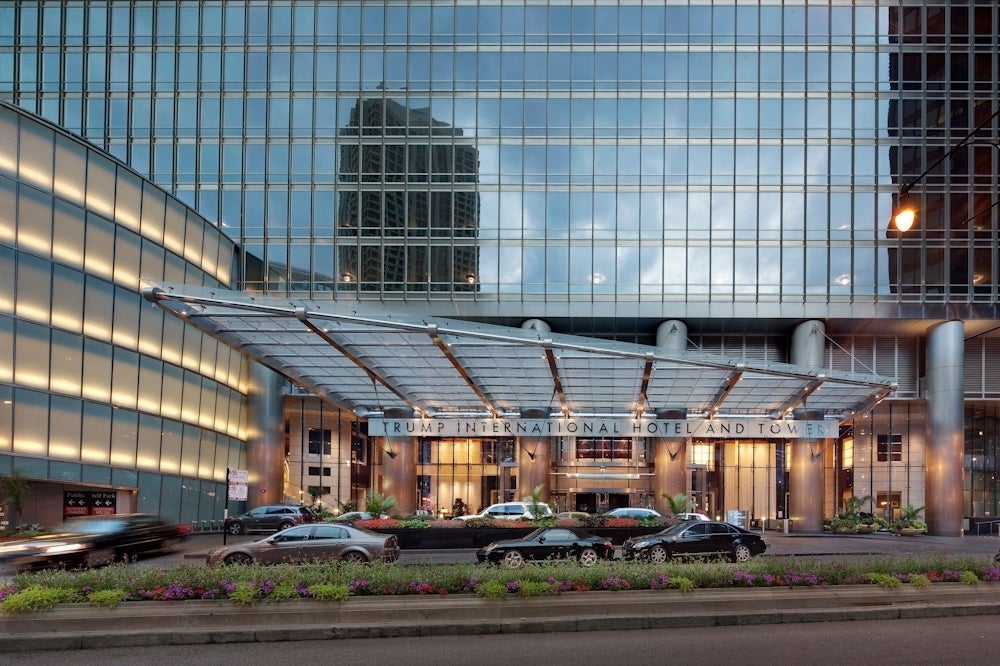
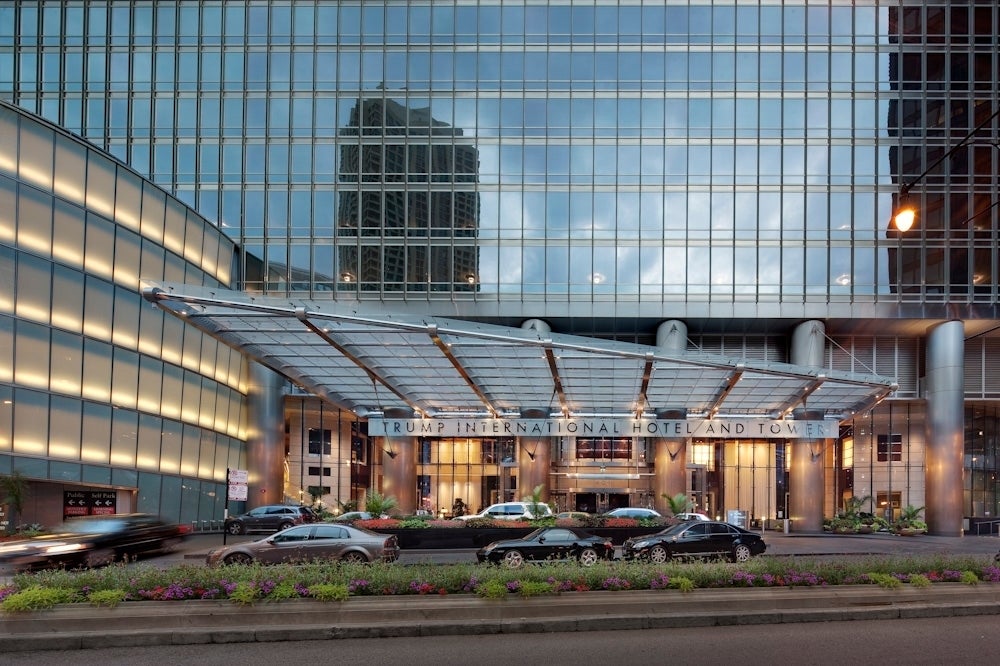
Major Chicago condo buildings with indoor pools include Trump Tower, The Fordham, Aqua at Lakeshore East, The Shoreham, Museum Park Towers, 340 On The Park, One Superior Place, and The Sterling in Lincoln Park. These buildings typically offer resort-style pool facilities as part of comprehensive amenity packages that also include fitness centers, spas, and entertainment spaces. Downtown and Streeterville buildings most commonly feature indoor pools due to the luxury resident demographics and competitive amenity arms race among high-rise developments. South Loop and Lakeshore East newer construction buildings (built after 2000) almost universally include indoor pools as standard luxury features. Building pool quality varies from basic lap pools (25-30 feet) to elaborate resort-style facilities with hot tubs, saunas, lounge areas, and floor-to-ceiling windows overlooking the city or lake. Pool access is typically included in HOA fees, though some buildings charge additional fees for pool maintenance or limit guest access during peak hours.
How much do condos with pools cost in Chicago?
Chicago condos in buildings with indoor pools typically range from $300,000 for studios or 1-bedrooms in South Loop to $2 million+ for luxury penthouses in premier downtown towers, with the pool amenity adding approximately $50-150/month to HOA fees compared to similar buildings without pools. Entry-level units in pool buildings start around $300,000-400,000 for 1-bedroom condos in neighborhoods like South Loop or Lakeshore East where newer construction with amenities is most common. Mid-range 2-bedroom units in quality pool buildings typically run $500,000-900,000 in downtown locations with pool access, modern finishes, and desirable views. Luxury pool buildings like Trump Tower or buildings along Lake Shore Drive command $1-3 million+ for 2-3 bedroom units with premium views and finishes. The pool amenity itself adds value both through increased HOA fees (pools cost $30,000-80,000+ annually to operate and maintain) and higher property values as buyers pay premiums for resort-style amenities. Buildings with exceptional pool facilities (infinity edges, rooftop locations, stunning views) command the highest premiums, while basic pool facilities in older buildings add less value relative to operating costs.
Do indoor pools increase HOA fees?
Yes, indoor pools significantly increase HOA fees in Chicago condos, typically adding $50-150 per month per unit depending on building size, pool facility quality, and how costs are allocated across residents. Pool operating costs include heating and dehumidification (the largest expense, often $30,000-60,000 annually for a typical building), chemicals and water treatment (ongoing monthly expenses), lifeguards or attendants if required by building policy, regular cleaning and maintenance, equipment repairs and replacement, liability insurance specifically covering pool facilities, and periodic renovations or resurfacing (every 10-15 years costing $100,000-300,000+). A 200-unit building with a quality indoor pool might spend $60,000-100,000 annually on pool operations, equating to $300-500 per unit annually or $25-42 per month added to each owner's HOA fees. Larger buildings spread costs across more units reducing per-unit impact, while smaller buildings (under 100 units) face higher per-unit pool costs that can significantly impact overall HOA fee structures. The key question for buyers is whether the pool amenity's value justifies the incremental cost - if you'll use the pool regularly and it helps attract tenants or supports resale value, the cost may be worthwhile, but if you won't use it, you're subsidizing an amenity that provides no personal benefit.
Are condo pools open year-round?
Yes, indoor pools in Chicago condo buildings are typically open year-round since they're enclosed and climate-controlled, unlike outdoor rooftop pools which close during winter months (typically October-April). Indoor pool facilities maintain consistent temperatures (usually 78-82°F for the pool, 84-88°F for hot tubs) throughout the year, making them usable regardless of Chicago's harsh winter weather. Building policies vary regarding hours and access, with most pools open daily from early morning (6-7 AM) through evening (9-10 PM), though some buildings restrict hours during lower-usage periods or for maintenance. Holiday closures occasionally occur for deep cleaning, equipment maintenance, or during building-wide issues, but pools are generally available 350+ days annually. The year-round availability of indoor pools provides consistent value compared to outdoor pools which sit unused 6-7 months annually in Chicago's climate. Some luxury buildings offer both indoor and outdoor pool options, giving residents climate-appropriate choices and maximizing the amenity's utility across seasons.
What are pool rules in Chicago condo buildings?
Chicago condo building pool rules typically restrict hours of operation (often 6 AM - 10 PM), limit the number of guests each resident can bring (usually 1-2 guests per unit), require adult supervision for children under certain ages (often 14-16), prohibit glass containers and outside food/alcohol, mandate showering before entering the pool, restrict certain activities (diving, running, rough play), and may require reservations during peak periods or limit usage duration when pools are crowded. Age restrictions vary by building with some requiring children under 14-16 to be accompanied by adults at all times, while others have designated family swim hours separate from adult-only periods. Guest policies are particularly important for renters and investors, as some buildings charge guest fees, limit total guests per month, or restrict rental tenants from bringing any guests to pool facilities. Dress codes typically mandate appropriate swimwear (no street clothes, cutoff jeans, or revealing attire) and may require swim caps in some facilities. Enforcement varies dramatically by building with some having full-time attendants monitoring compliance while others rely on resident self-policing which can lead to conflicts over rule violations. Violations of pool rules can result in warnings, temporary access suspension, or fines, and repeated violations may impact your standing with the condo association.
Do condos with pools have higher resale value?
Chicago condos in buildings with indoor pools typically command 5-10% higher resale values compared to similar units in buildings without pools, though the premium varies significantly by building quality, pool facility impressiveness, and buyer demographics. Luxury buildings with exceptional pool facilities (resort-style environments with hot tubs, saunas, and stunning views) see the highest premiums as pools become expected amenities in this price range and their absence actually hurts values. Mid-market buildings with basic but well-maintained pools see moderate premiums as the amenity differentiates them from budget buildings while not commanding luxury premiums. The resale value premium depends heavily on buyer priorities - families with children, fitness-focused buyers, and those seeking resort-style living pay significant premiums for pool access, while some buyers (particularly seniors or those focused purely on investment returns) may view pools as unnecessary expenses rather than value-adds. Pool quality matters tremendously for resale impact - dated, poorly maintained pool facilities can actually hurt resale values if they signal deferred maintenance or inadequate building management, while stunning modern pools with great views and finishes enhance building reputation and support premium pricing. The resale advantage of pool amenities is strongest in competitive markets where multiple similar units are available and the pool becomes a key differentiator in buyer decision-making.
Can renters use building pools in Chicago condos?
Most Chicago condo buildings allow renters full access to indoor pools and other amenities just like owners, though some buildings impose restrictions on rental tenants including limiting guest privileges, requiring additional security deposits, restricting pool hours for renters, or charging amenity access fees on top of rent. Buildings with high renter concentrations (30%+ rental units) typically maintain equal access policies to avoid discrimination concerns and maintain amenity usage, while buildings dominated by owner-occupants may have more restrictive policies attempting to preserve amenities for residents who pay HOA fees directly. Landlords should verify specific building pool policies before advertising pool access to prospective tenants, as misleading tenants about amenity access can lead to disputes and potential lease violations. Some buildings require renters to register with management and receive separate amenity access credentials, pay one-time amenity activation fees ($100-250), or sign building rules acknowledgment forms before receiving pool access. The ability to offer pool access as a rental amenity provides competitive advantage when marketing units, supporting $100-300/month rent premiums compared to similar non-amenity buildings, making pool access valuable for landlords even when buildings charge modest access fees or impose minor restrictions on rental tenants.
What maintenance do condo pools require?
Indoor condo pools require daily maintenance including chemical testing and adjustment, water circulation monitoring, skimming and cleaning of pool surfaces, filter checks and backwashing, plus deeper periodic maintenance like drain and refill cycles (every 3-6 months), tile cleaning and grout maintenance, equipment inspections and repairs, resurfacing every 10-15 years, and managing the complex HVAC systems that control humidity and air quality in indoor pool environments. The most challenging aspect of indoor pool maintenance is humidity control, as warm pool water creates constant moisture that can damage building structures without proper dehumidification systems running 24/7 at significant energy cost. Chemical balance requires professional oversight maintaining proper pH, chlorine, alkalinity, and other factors that affect both water safety and equipment longevity, with improper chemical management leading to equipment corrosion, cloudy water, or health hazards. Major building systems supporting pool operations (pumps, filters, heaters, dehumidifiers, ventilation) typically need replacement or major overhaul every 15-25 years at costs of $100,000-300,000+ that condo associations must reserve for through HOA fees. Buildings with inadequate pool maintenance or deferred equipment replacement face special assessments, temporary pool closures, or deteriorating facilities that hurt property values and resident satisfaction. Quality pool management requires either dedicated building staff with pool operation expertise or professional management companies specializing in aquatic facility operations.